Agnitus: Empowering Parents and Teachers through Insightful Learning Tools

Role: UI/UX & Graphic Designer
Duration: 2 Years
Platform: iOS (iPad, iPhone, Desktop) & Android (Tablet, Mobile, Desktop)
Team: Engineers, Product Managers, Educators & Marketers

Overview

Agnitus is a learning platform for children aged 2–8 that taught early literacy, math and cognitive skills through interactive games.

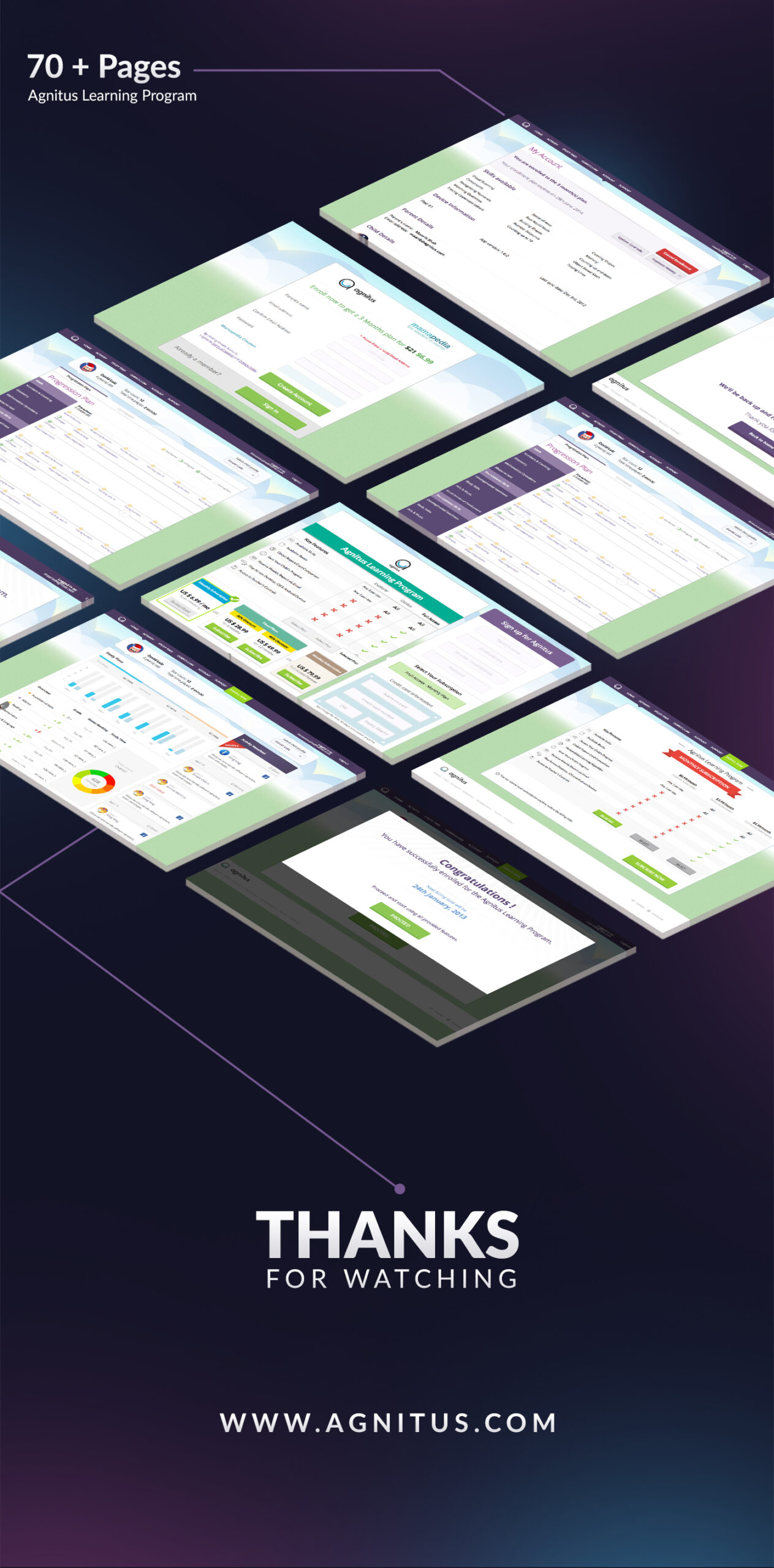
Over two years, I worked across product and marketing design, creating engaging campaigns and shaping key app experiences.

This case study highlights two key UX projects that shaped the Agnitus ecosystem:

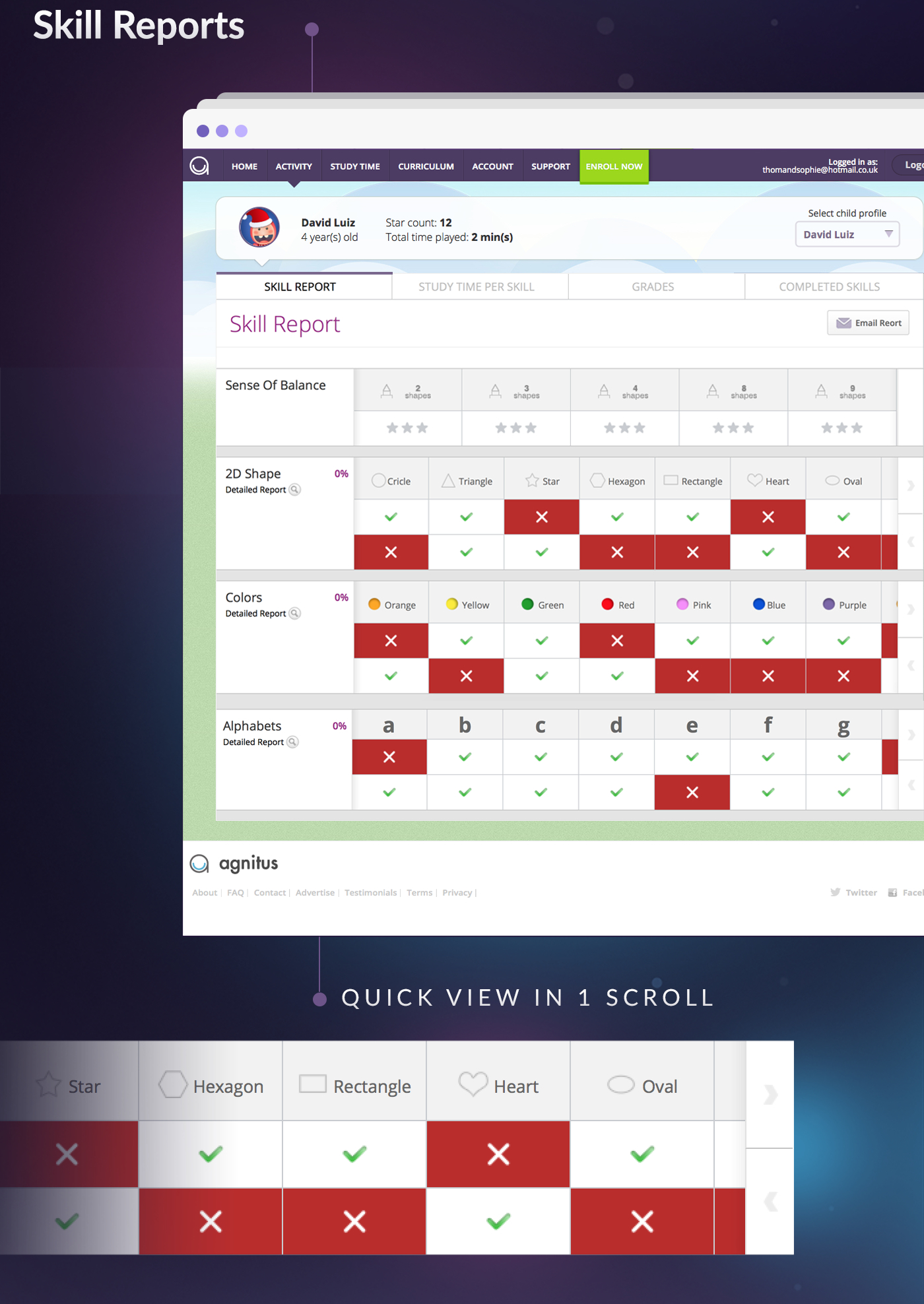
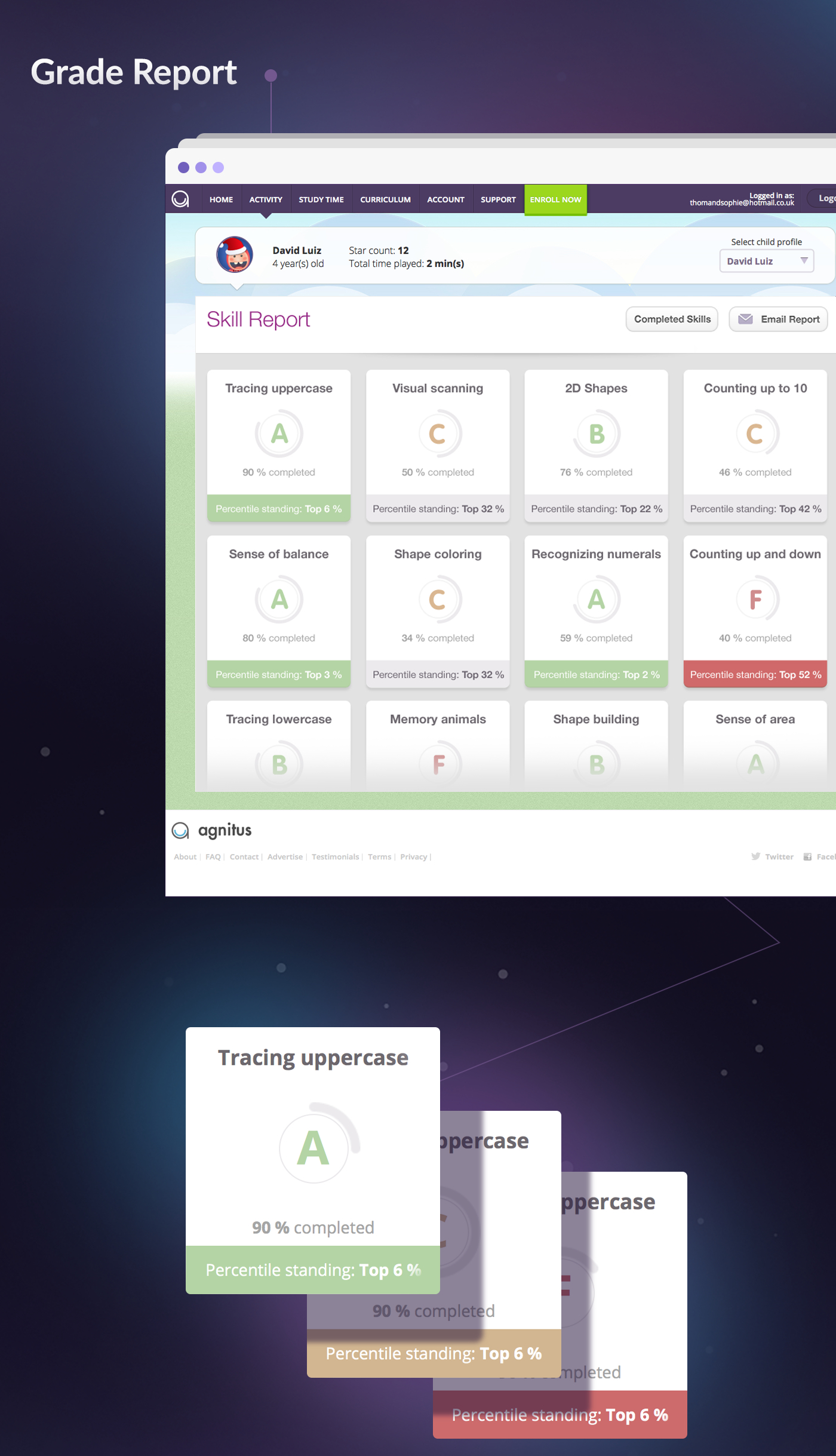
  • Parent Portal (Progress Report): Helping parents visualize learning progress.

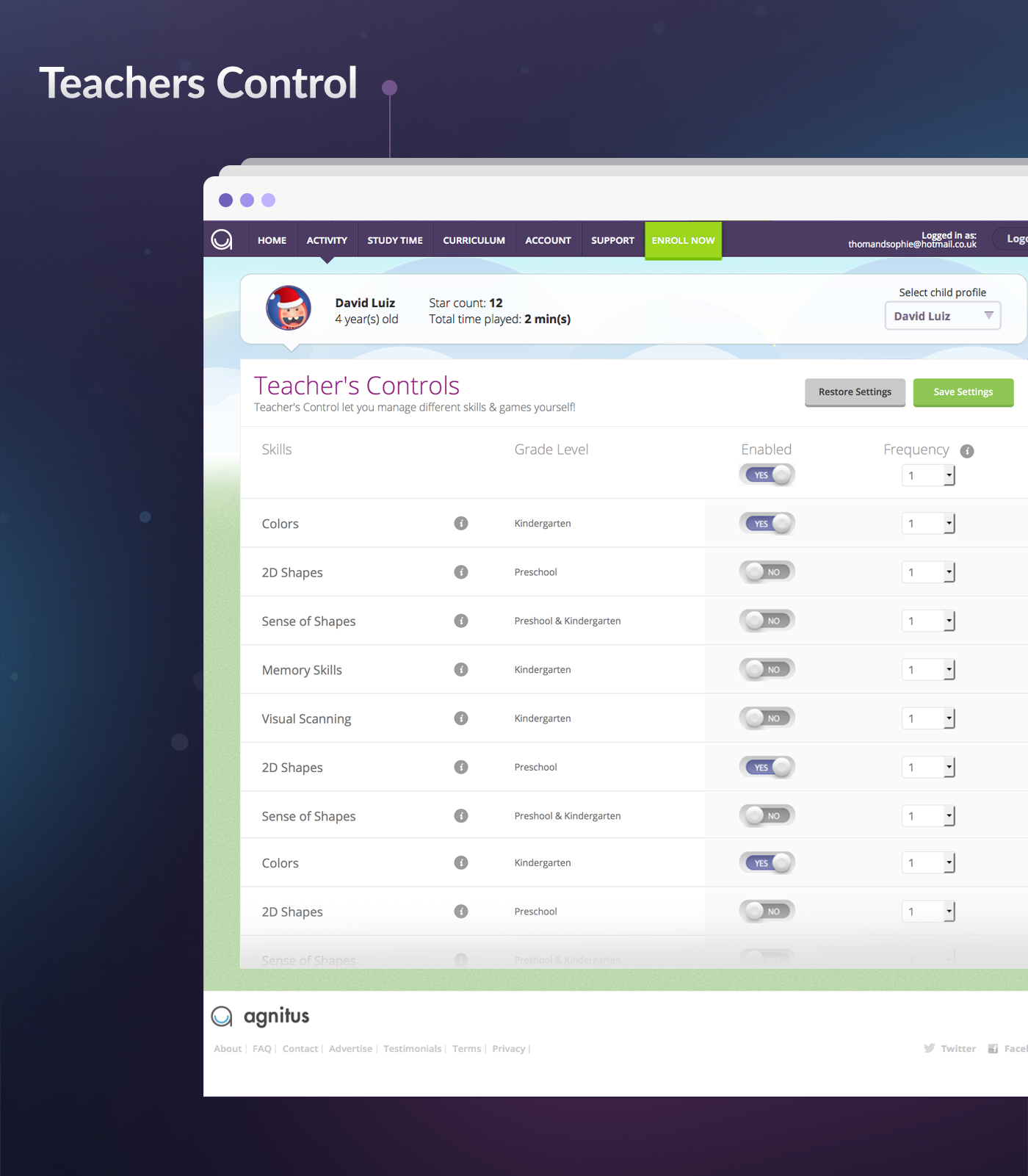
  • Teacher’s Controls: Giving adults control over content frequency and focus.

30%

USER ENGAGEMENT

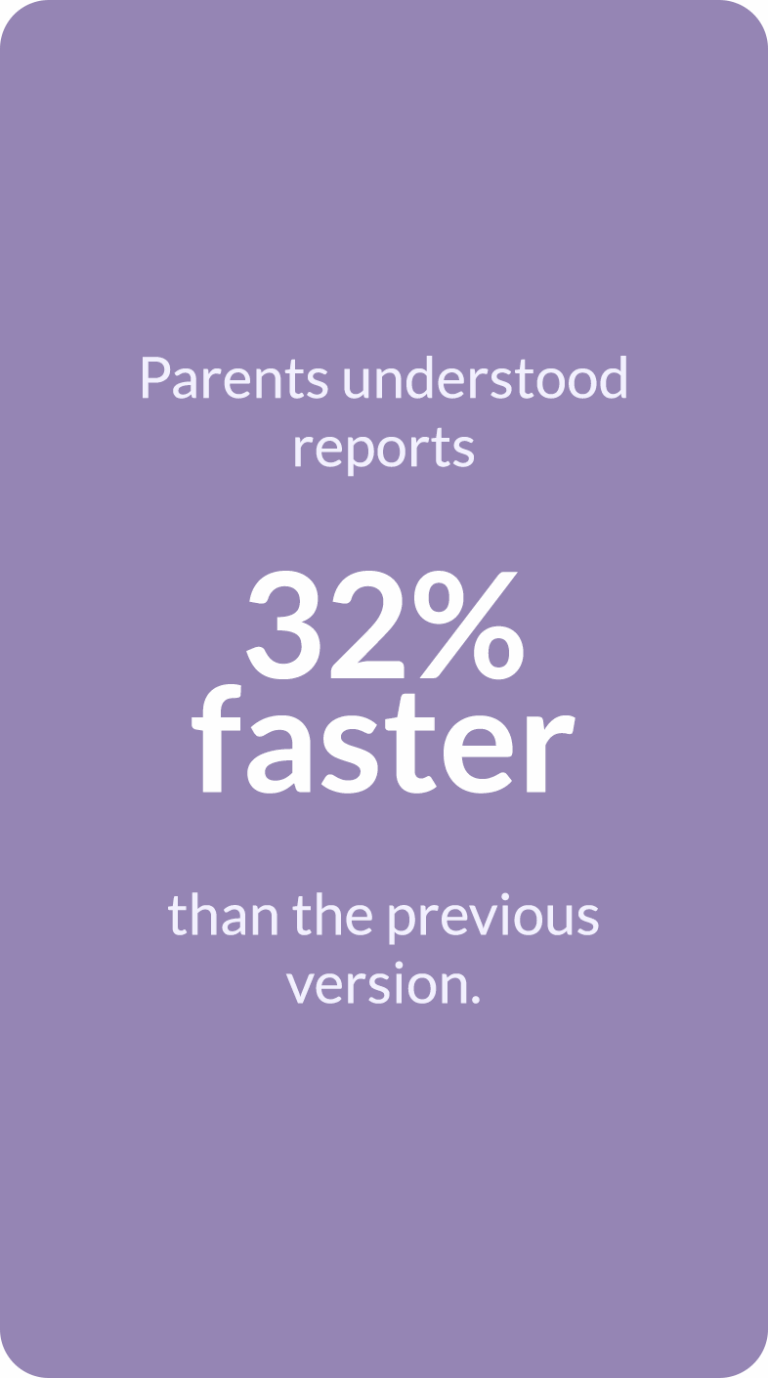
32%

TASK COMPLETION

18%

CONVERSION RATE

While Agnitus effectively engaged children, parents and teachers had limited visibility into progress and limited control over activity focus.

  • A clear overview of weekly learning progress, with the ability to access detailed report cards when needed
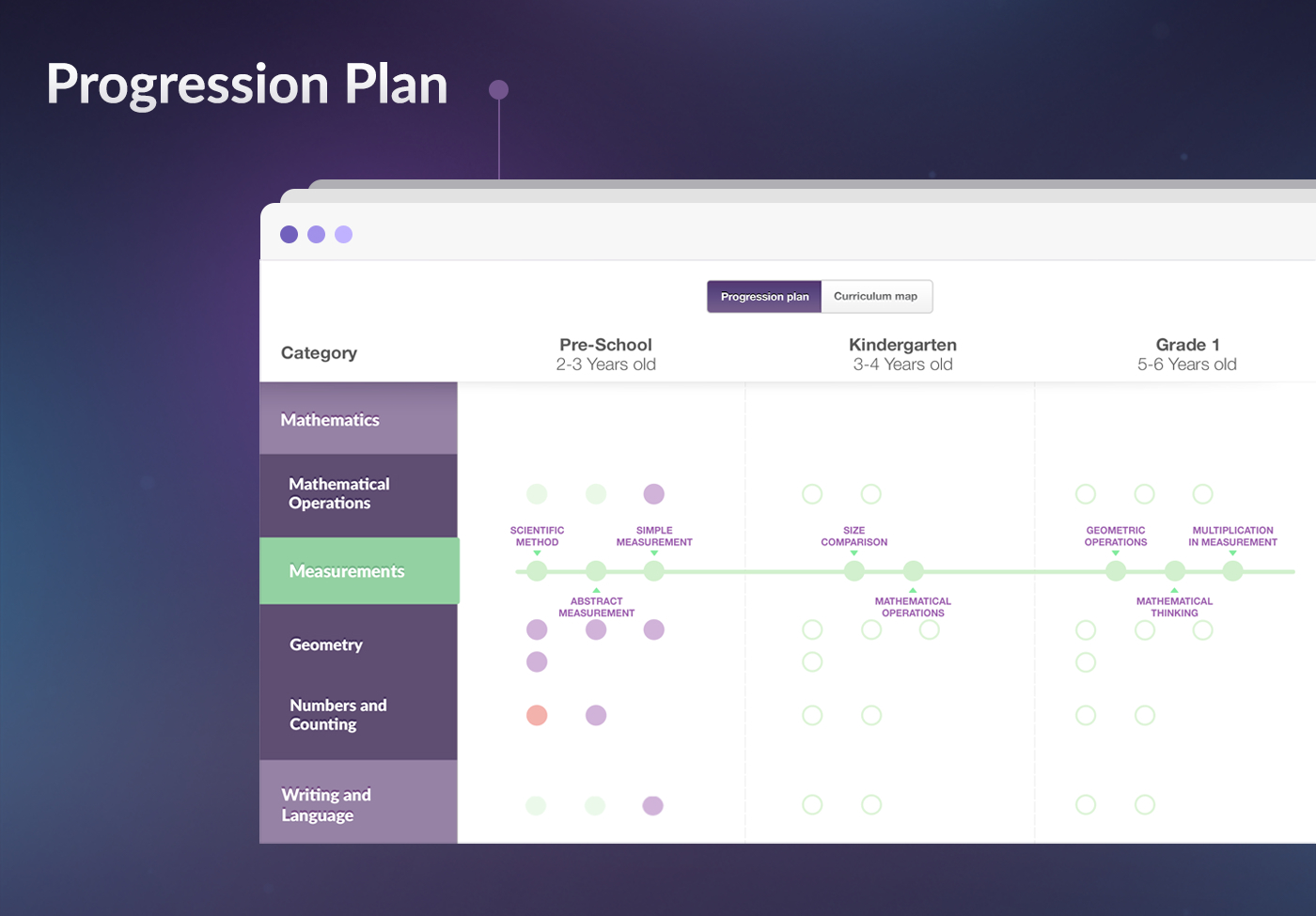
  • The ability to personalize the experience based on each child’s learning journey

Challenge

Discovery

I conducted interviews with key stakeholders, including the product lead, educators, employees, and a small group of parents, to understand their expectations and frustrations. To further contextualize these insights, I also explored existing children’s learning platforms from a user perspective. This helped identify common patterns in how progress is presented, how activities are structured, and where parents and teachers face friction. Through this analysis, I uncovered key gaps around visibility, navigation, and personalization, which informed opportunities to simplify the experience and create a more intuitive, cohesive learning journey.

Key Insights

We defined two clear UX objectives to make the experience transparent, measurable and adjustable:

  1. Awareness: Help parents easily track weekly learning progress, with the ability to access detailed report cards when needed

  2. Control: Enable teachers and parents to personalize learning through easy toggles and frequency settings.

Pain Points:
Parents struggled to understand their child’s learning progress due to complex data and text-heavy reports.

Teachers lacked a simple way to adjust the frequency or focus of learning activities for individual students.

Both groups wanted a clearer and interactive way to guide children’s learning without feeling overwhelmed

User Research
Parents preferred clear, visual summaries of their child’s progress.

Teachers needed more control and flexibility over learning activities.

Parents valued time-based comparisons to track real growth.

Teachers wanted the option to limit or disable overused games to encourage balanced learning.

UX Goals:
Make progress tracking visual, digestible and meaningful at a glance.

Give teachers easy control over learning activities without breaking the child’s flow.

Maintain a consistent design language that fits the Agnitus brand and can scale across future features.

Design & Solution

01. Parent Portal​

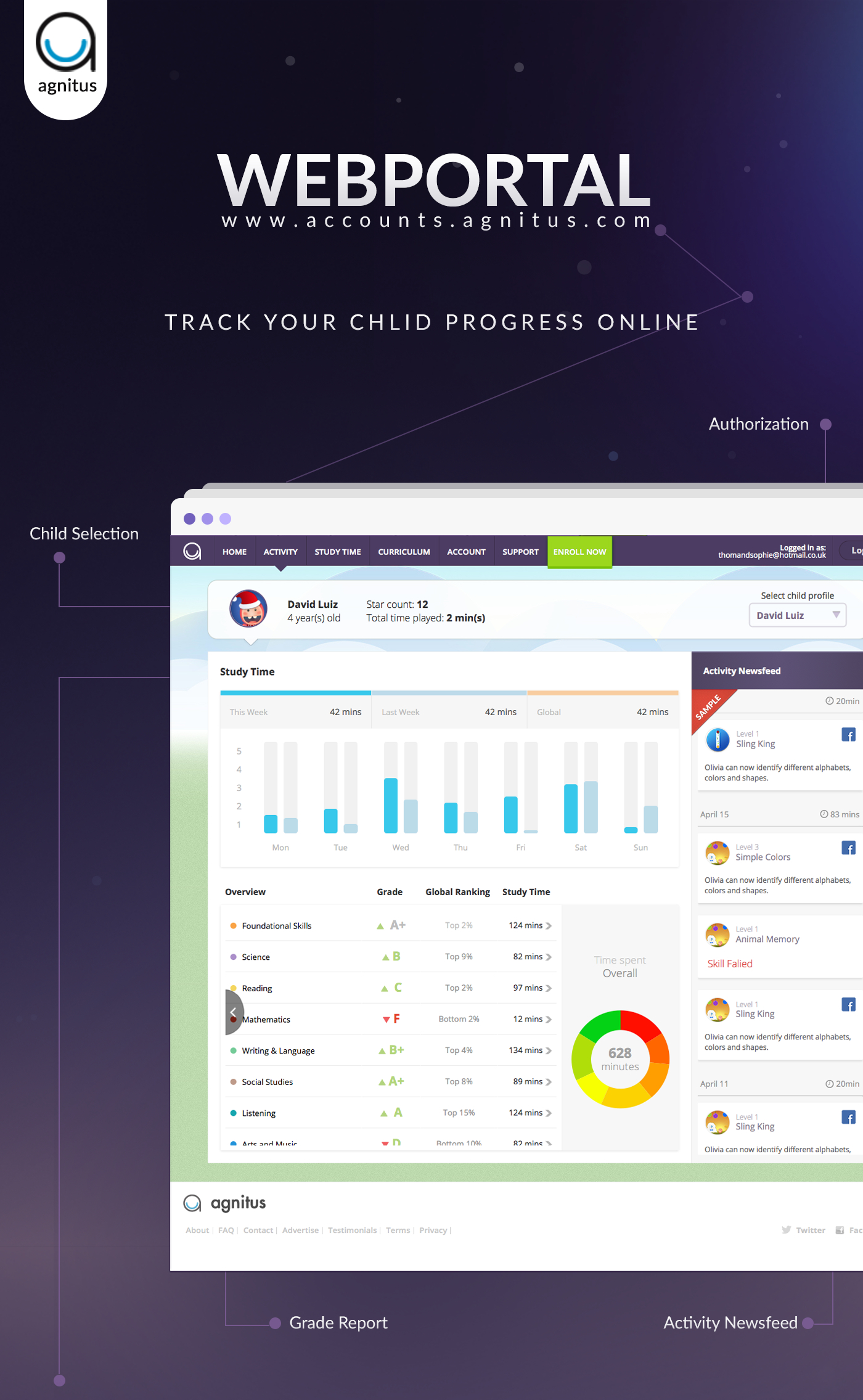
Weekly Progress Report

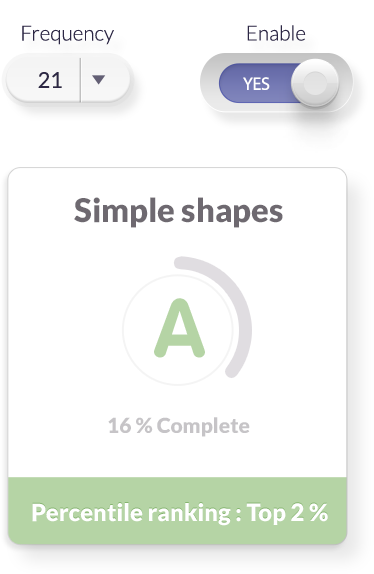
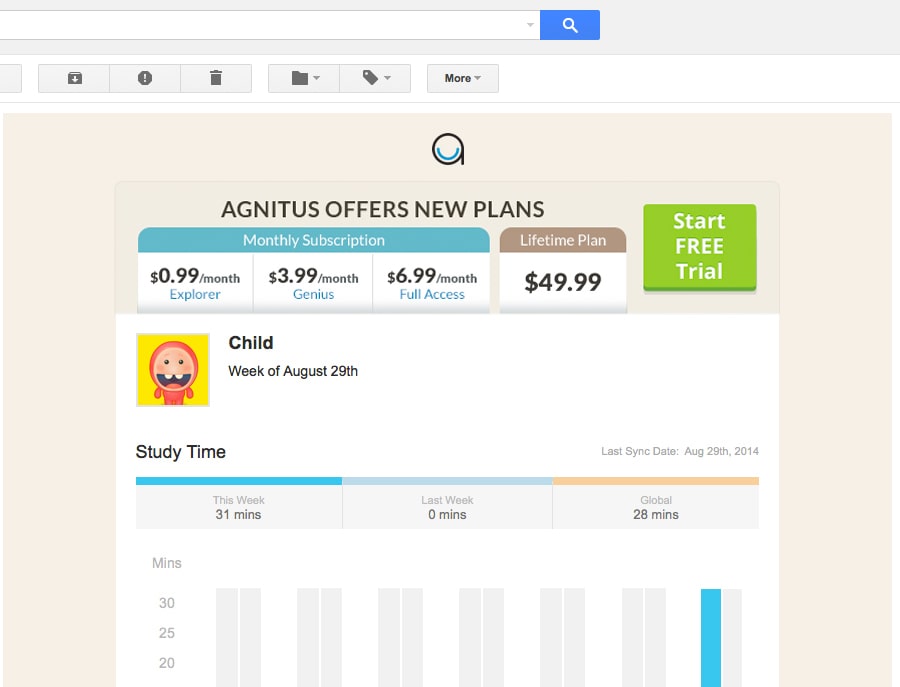
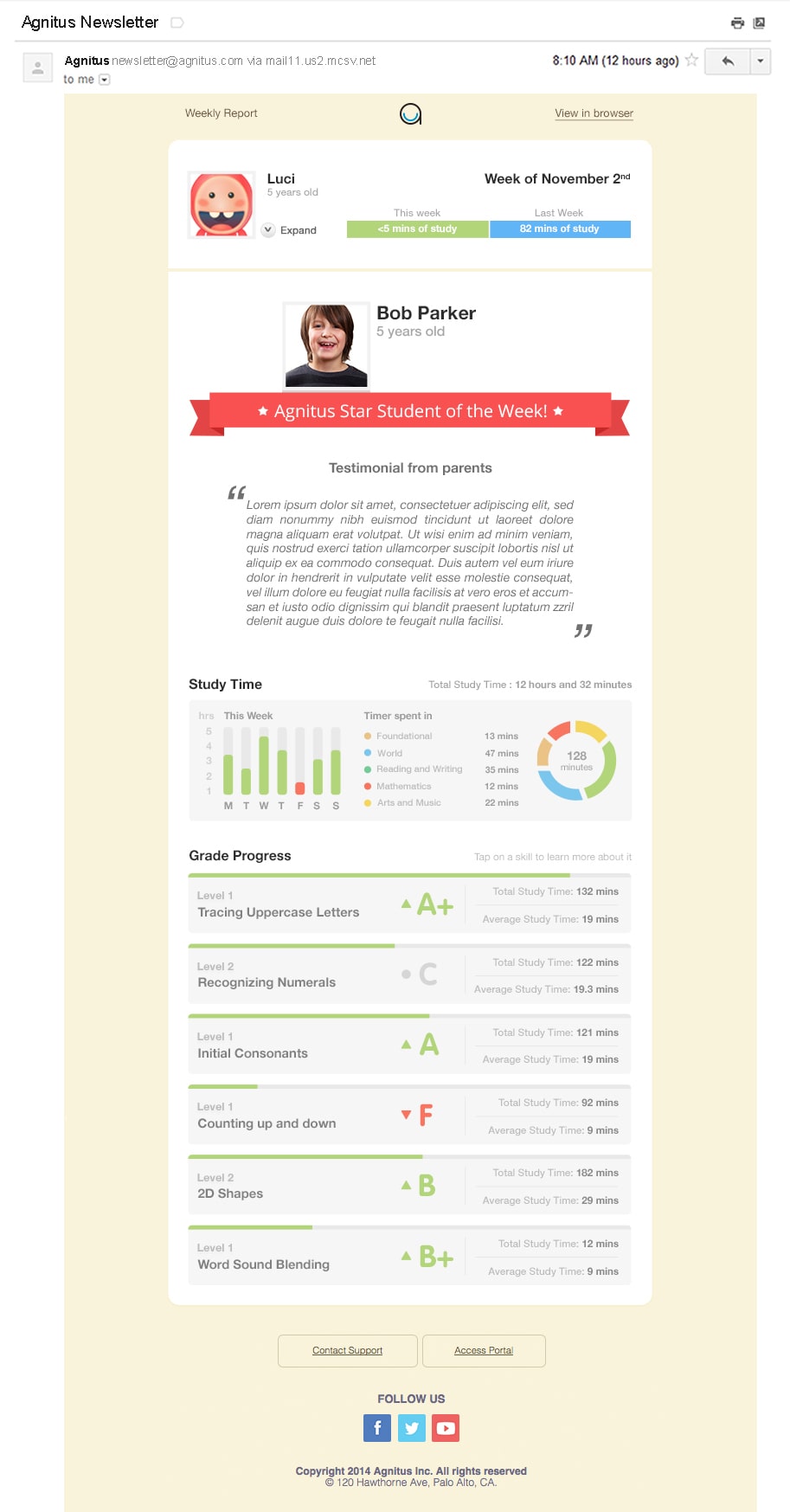
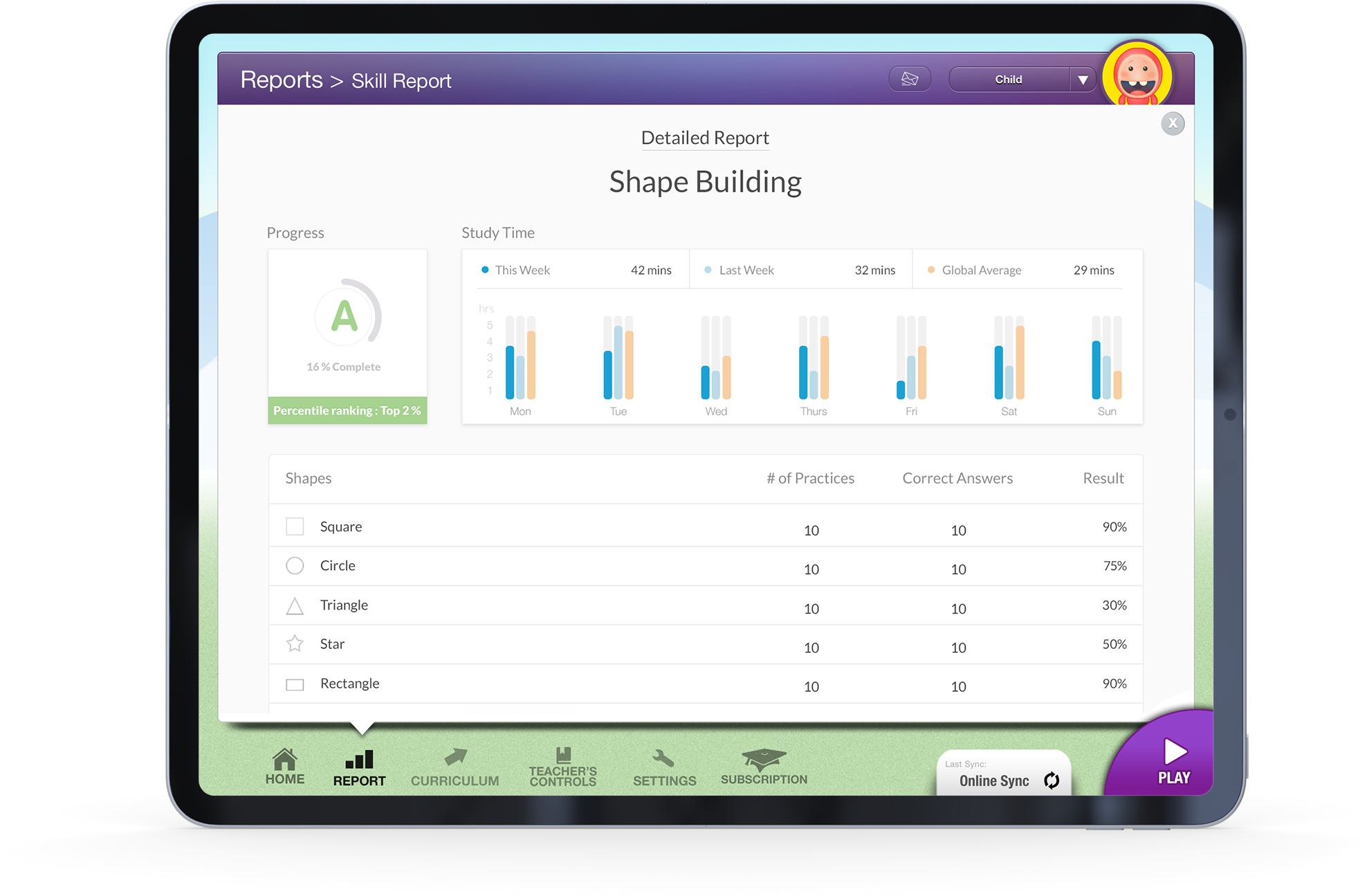
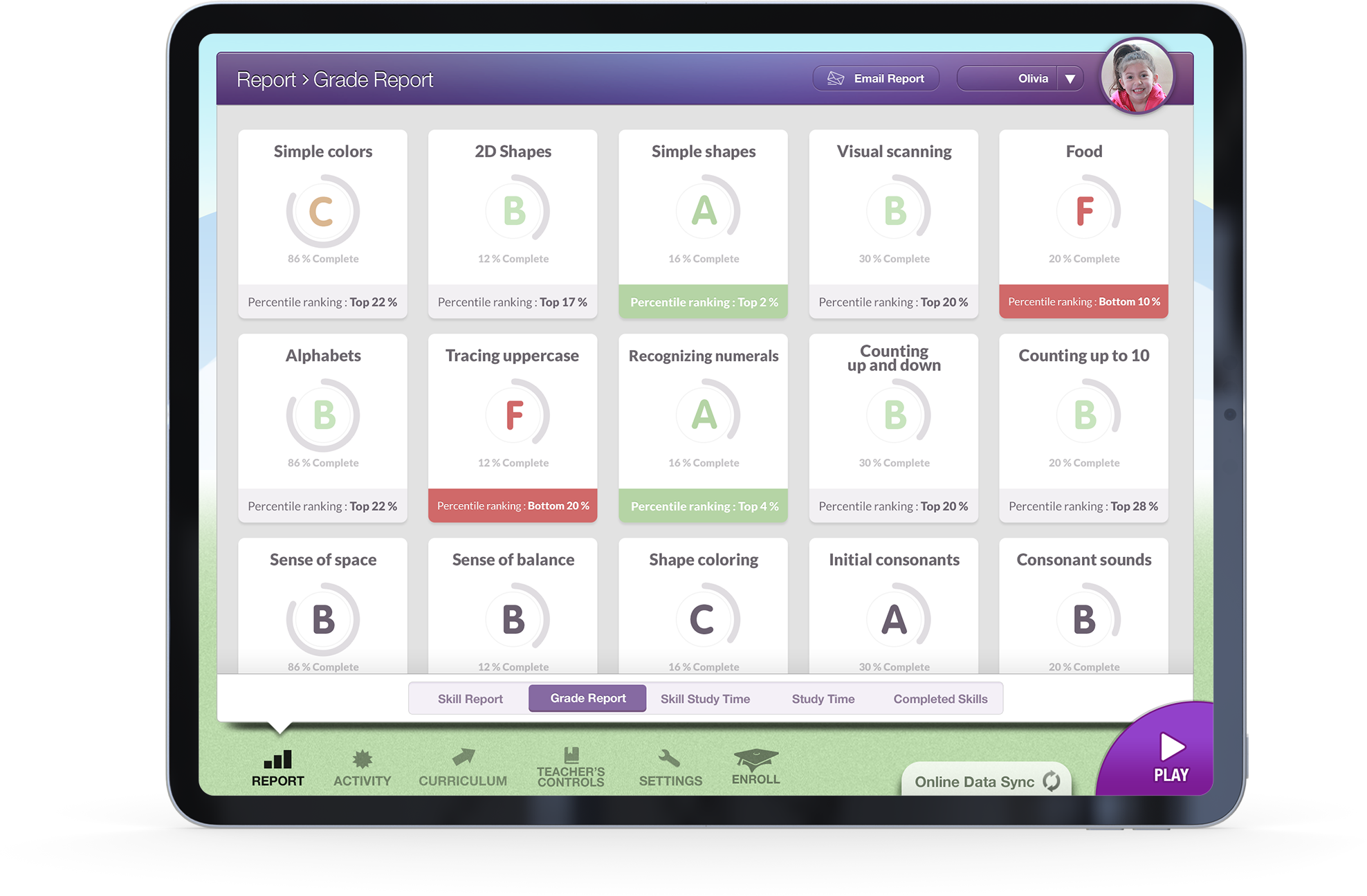
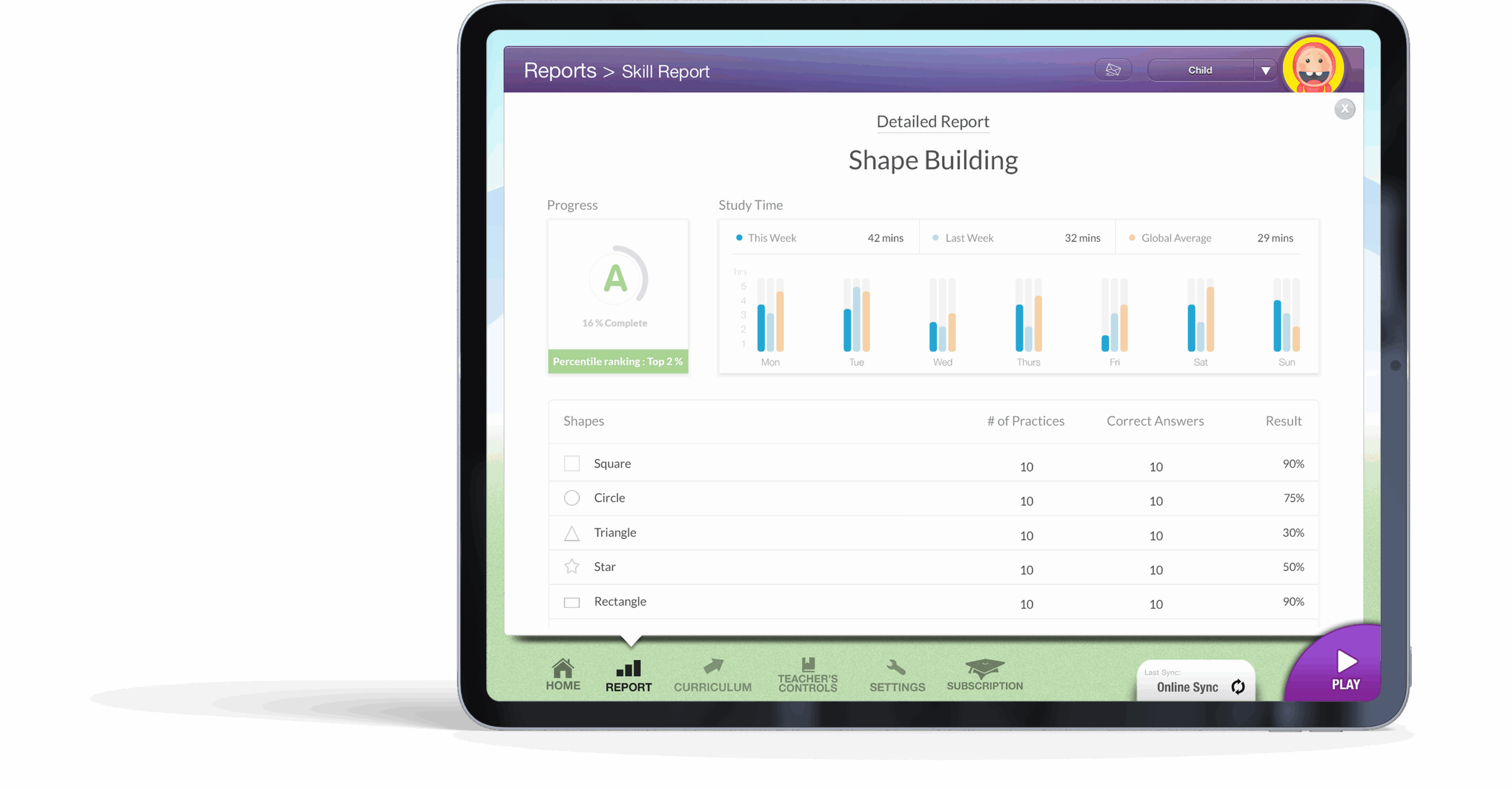
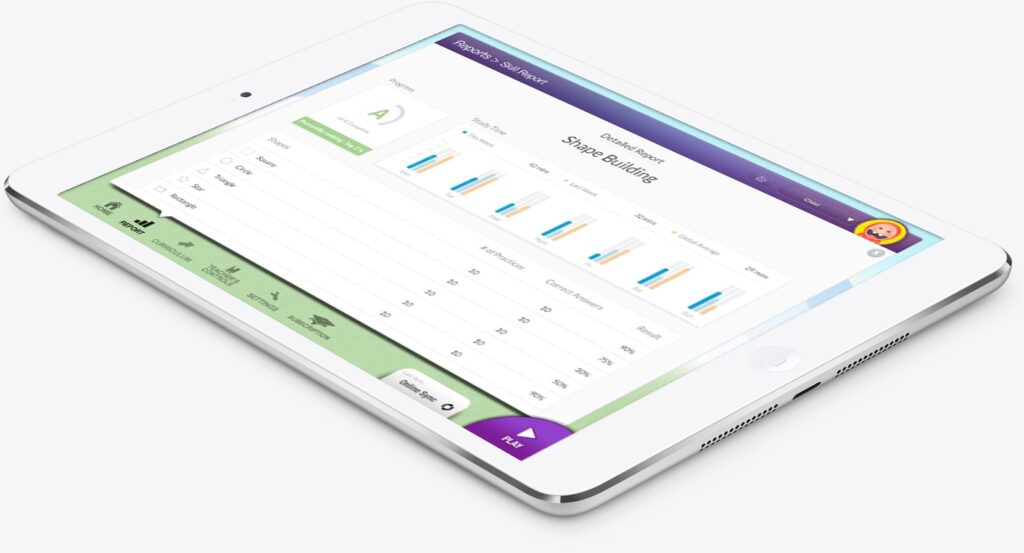
 The Parent Portal provided a simple, visual summary of the child’s weekly activity:
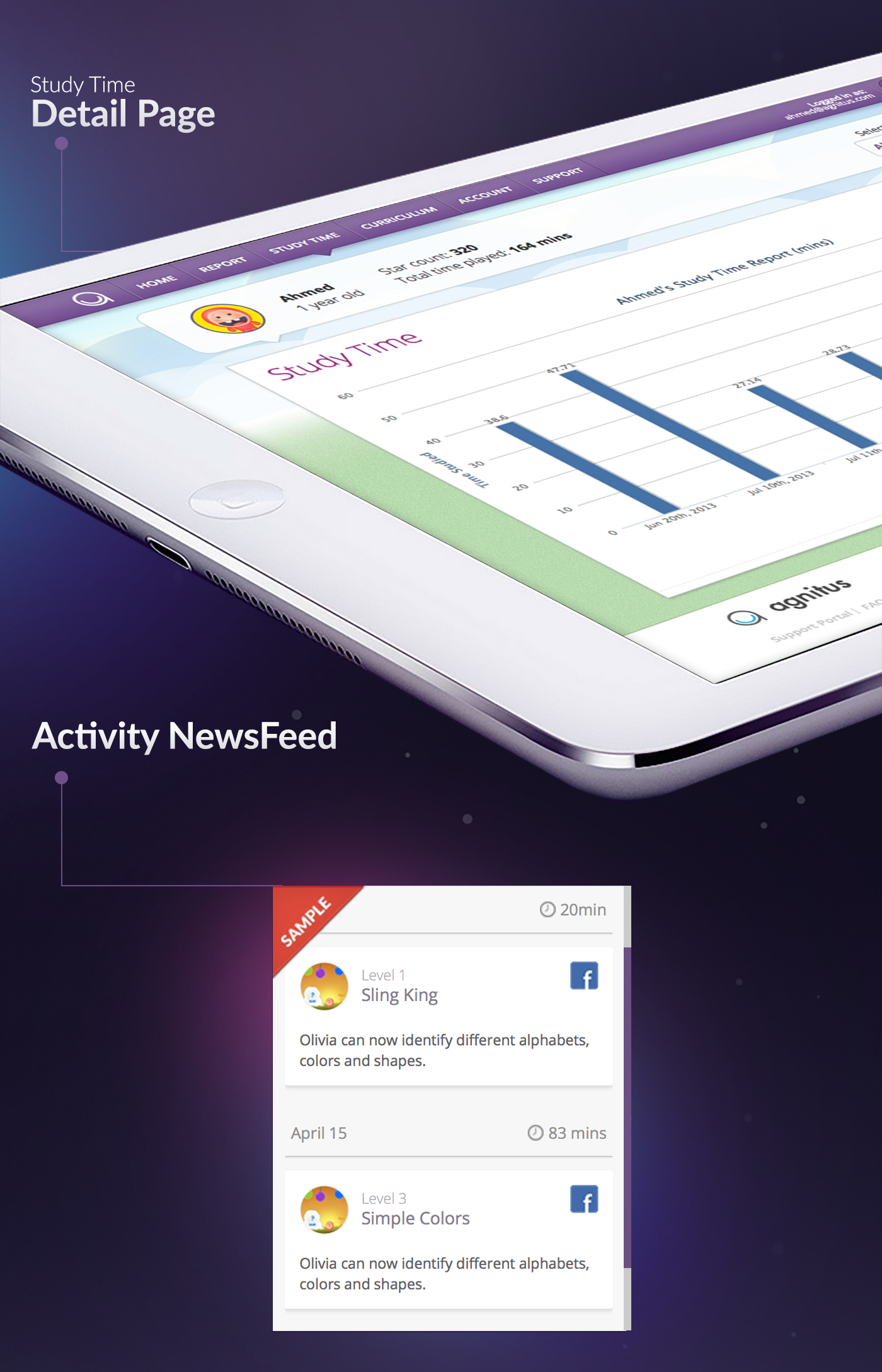
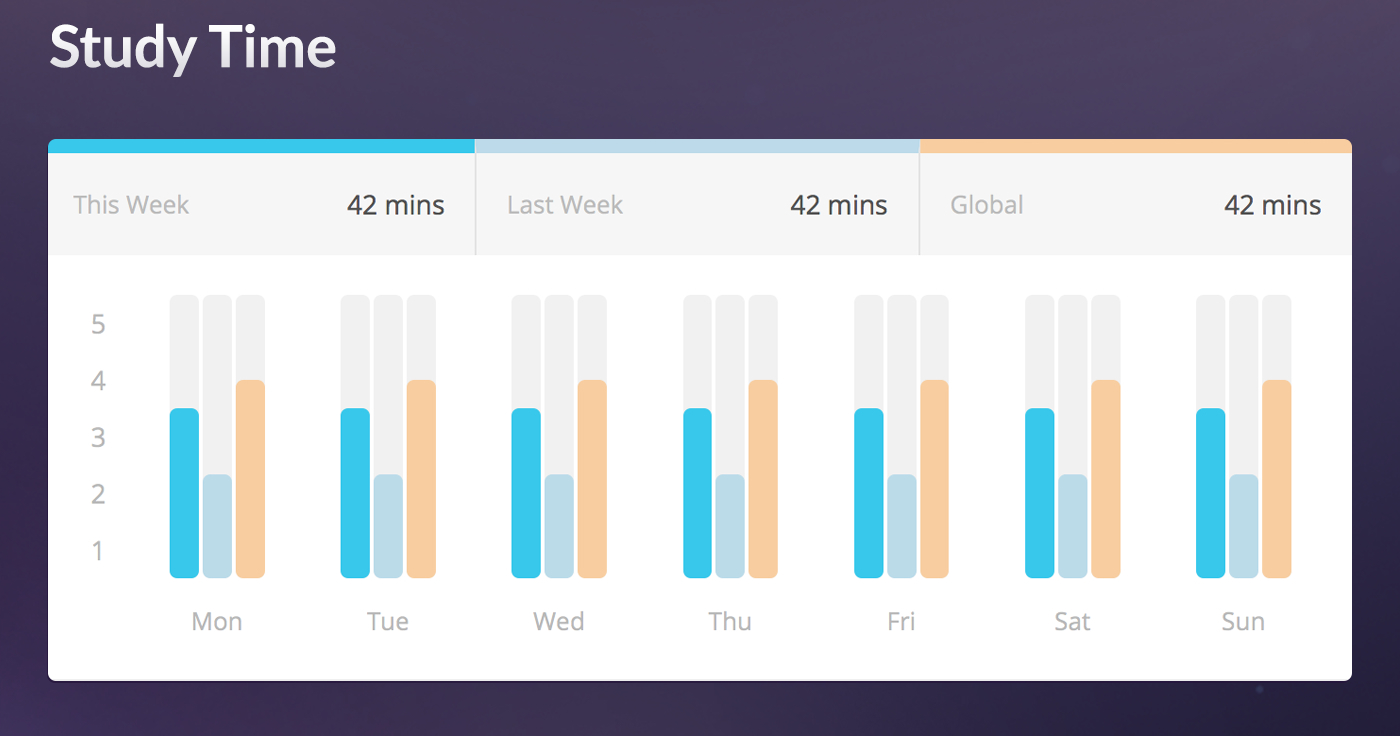
A bar graph comparing This Week, Last Week, and Global Average for time spent.

A
skill progress section showing grading for each skill with average times.

Subtle use of color and typography to make progress trends intuitive.

Design considerations:

  • Simplified complex data into a story parents could instantly understand.

  • Used friendly colors and soft shadows to match the playful brand tone.

  • Prioritized time comparison and skill grading to create motivation loops.

Outcome: Parents could instantly grasp how their child was performing, where they excelled and where they needed more practice.

02. Teacher’s Controls

Managing Learning Focus

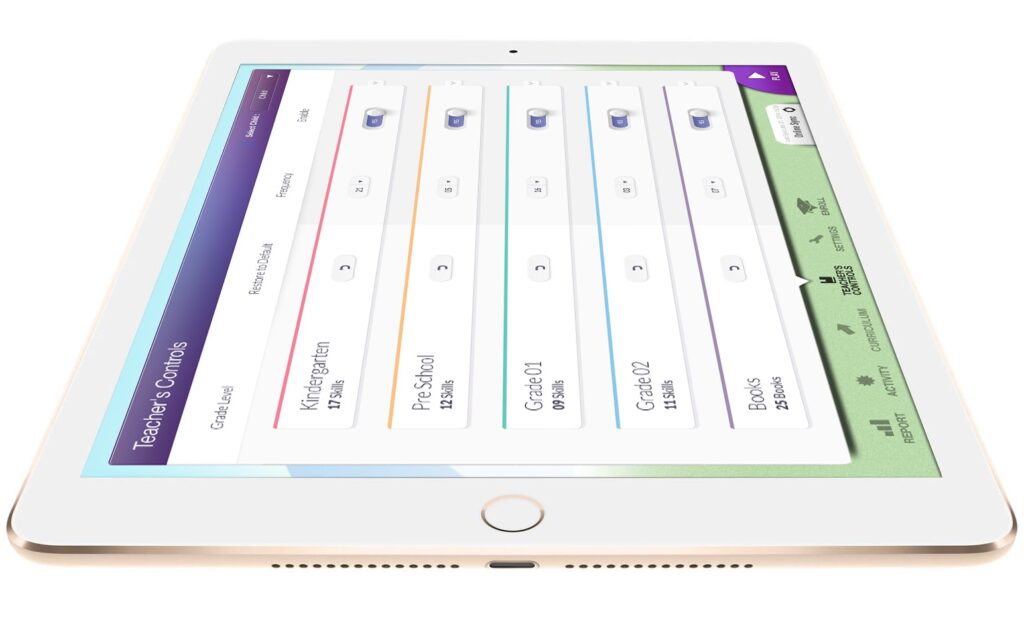
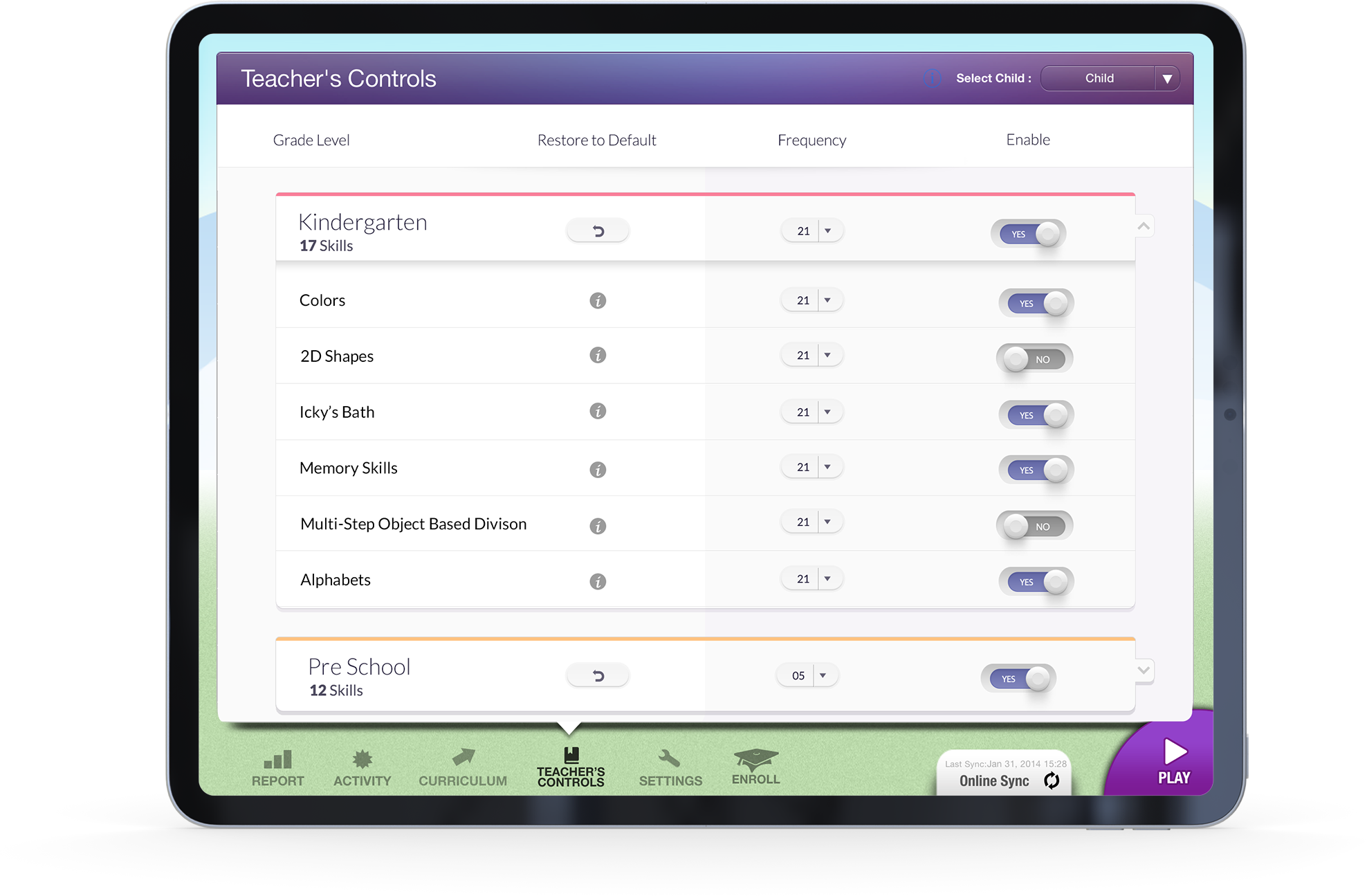
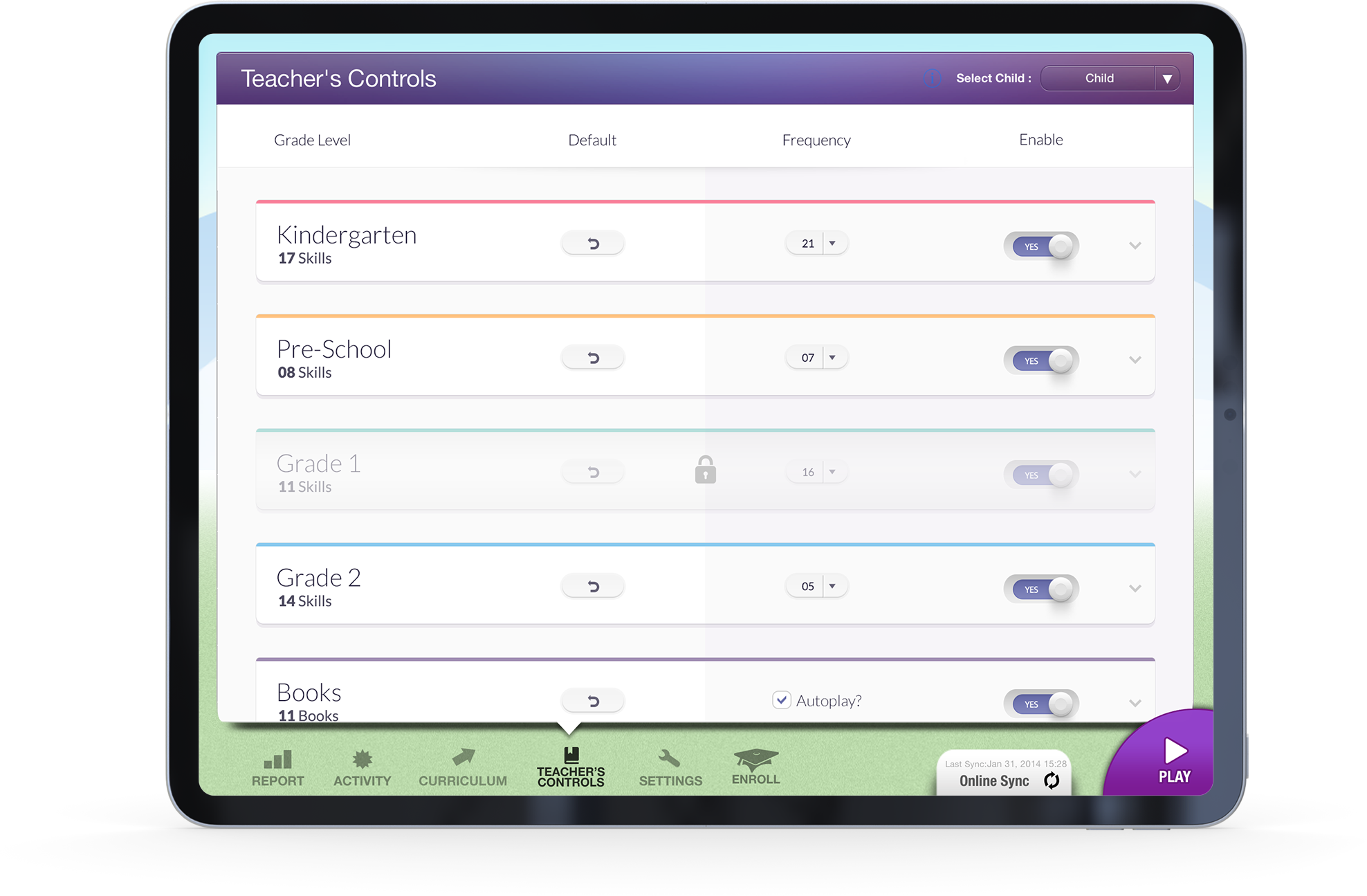
The Teacher’s Controls gave educators and parents autonomy to adjust learning content:

Collapsible grade-level sections (Kindergarten, Preschool, Grade 1, etc.) for a clean, high-level view.

Each section could expand to show individual skills and games, color-coded by subject.

Users could toggle activities ON/OFF and adjust frequency of each.

A “Restore to Default” option added confidence and control.

Design Approach:

  • Adopted a progressive disclosure pattern to prevent cognitive overload.

  • Employed color-coded skill categories to maintain quick scannability.

  • Maintained UI consistency with the overall Agnitus brand — warm, friendly and intuitive.

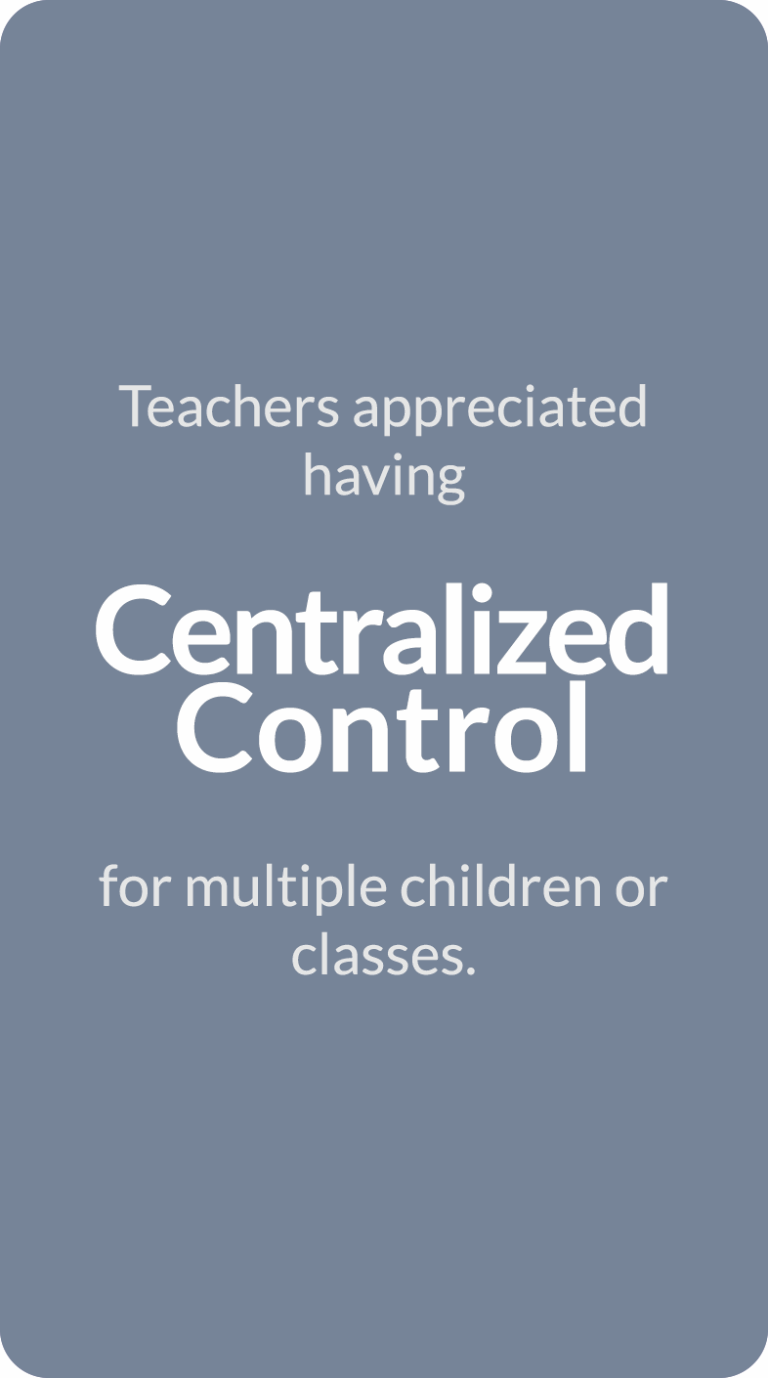
Outcome: The controls gave teachers flexibility and empowered parents to shape their child’s digital learning environment without feeling technical or complex.

Validation

Our team conducted usability testings with both parents and internal educators to validate usability and comprehension. We saw measurable improvement in engagement, task completion and feature adaption.

Findings:

Impact

Increased engagement: Parents revisited weekly reports more frequently.
Improved learning outcomes: Teachers used the dashboard to balance play and academics.
Scalable framework: Design patterns influenced other areas, like Curriculum and Activity sections.

Reflection

This project reinforced the importance of deeply understanding user needs and empathizing with their challenges before designing solutions. By putting users at the center, I learned how to translate complex data into clear, meaningful narratives that build trust and motivation. It also highlighted how thoughtful interaction patterns, such as progressive disclosure, can reduce cognitive load and help users feel more confident and in control of their experience.

Additional Contributions at Agnitus

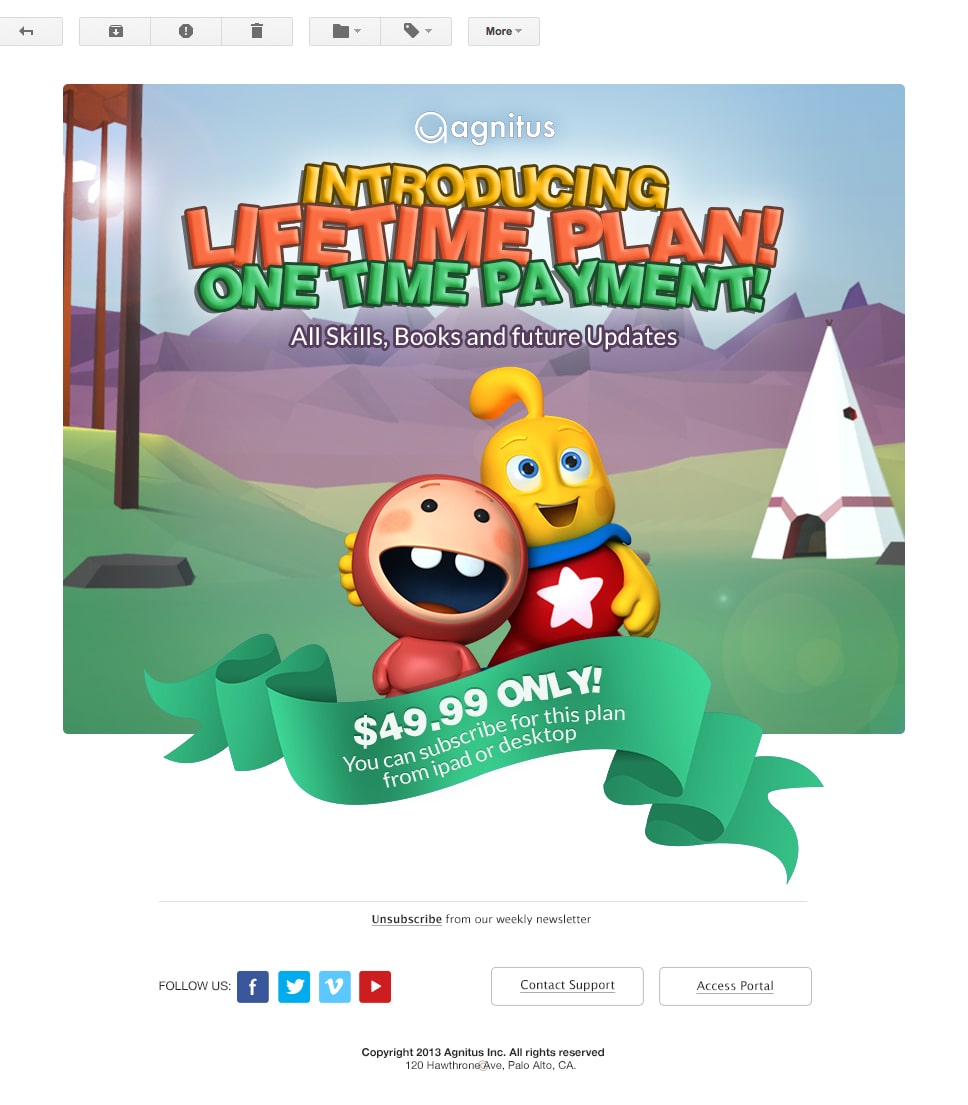
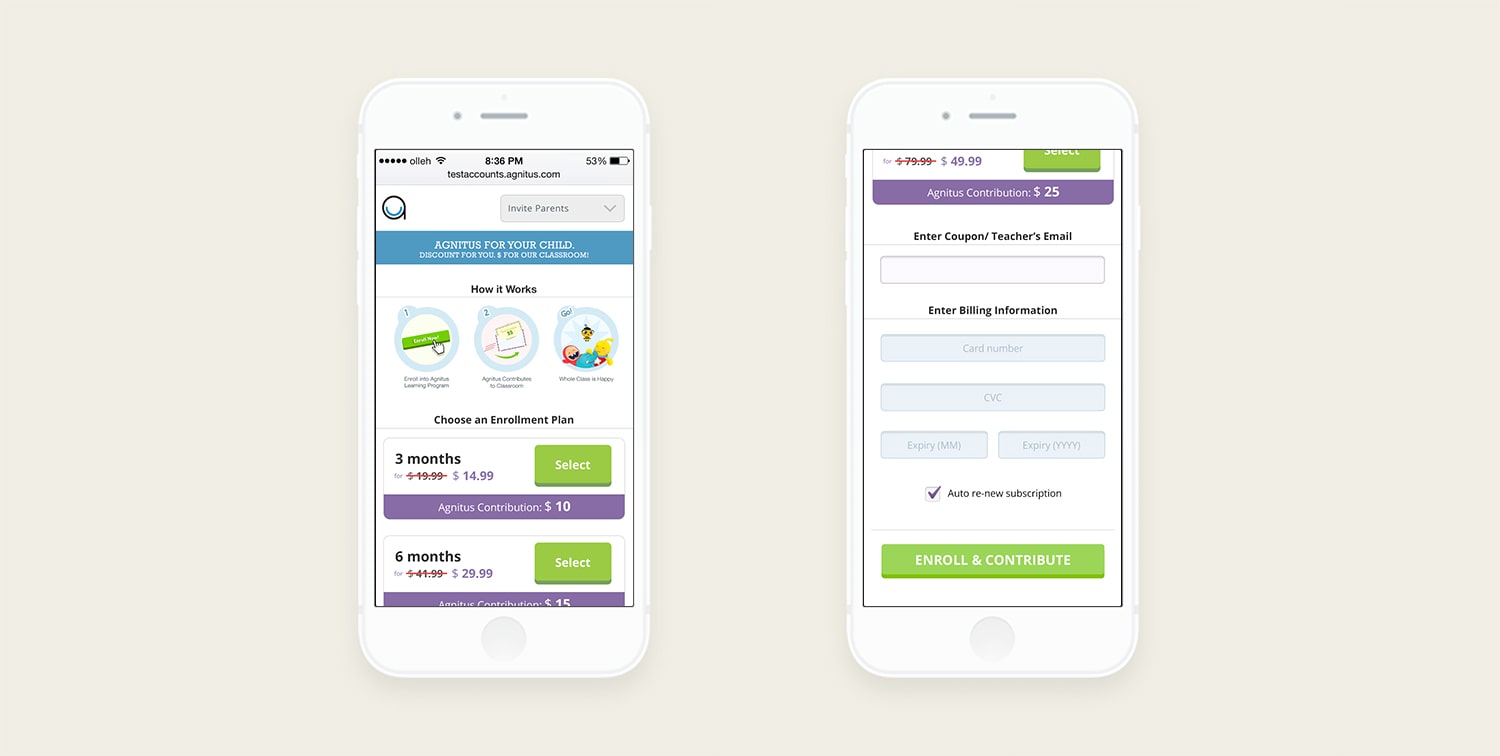
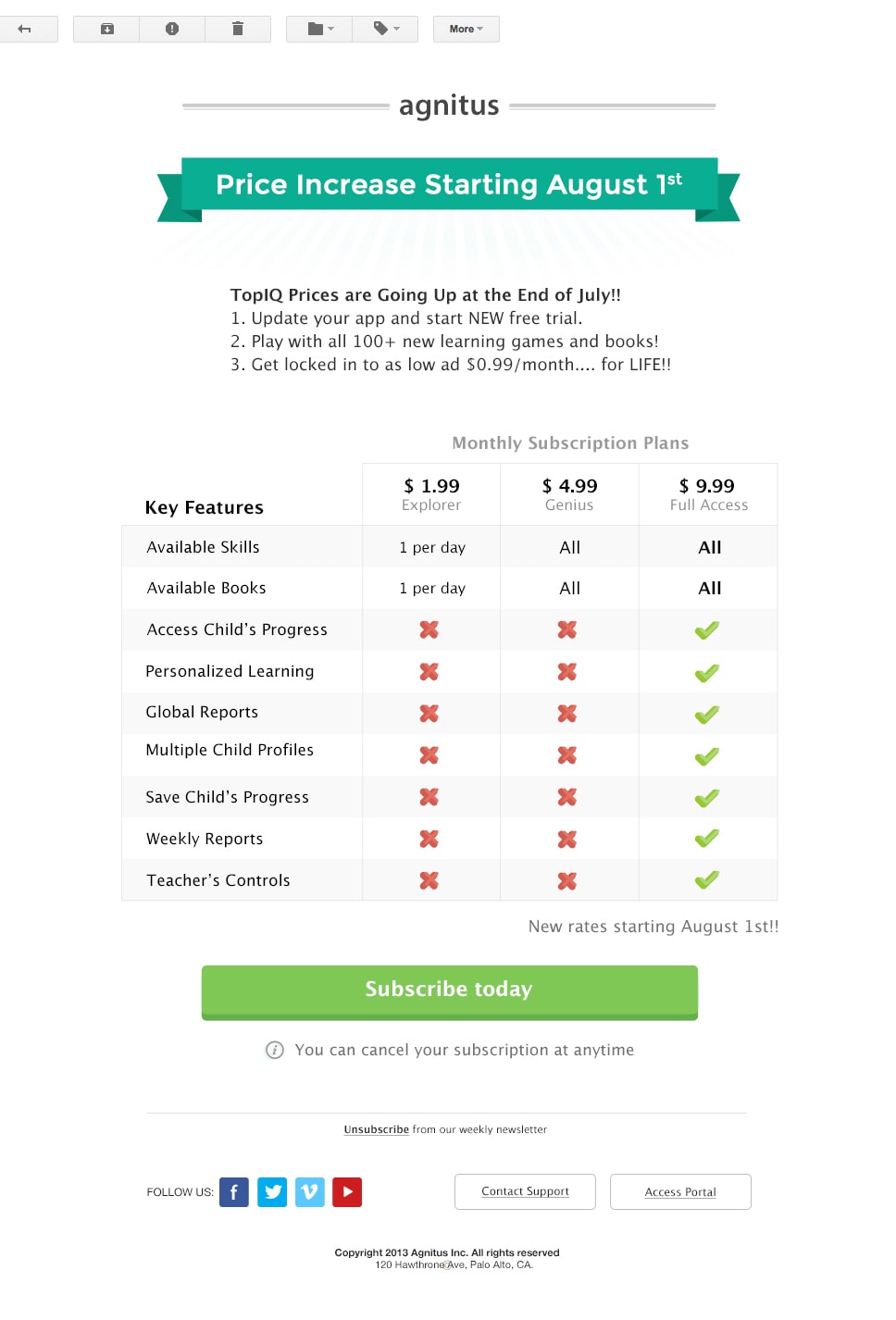
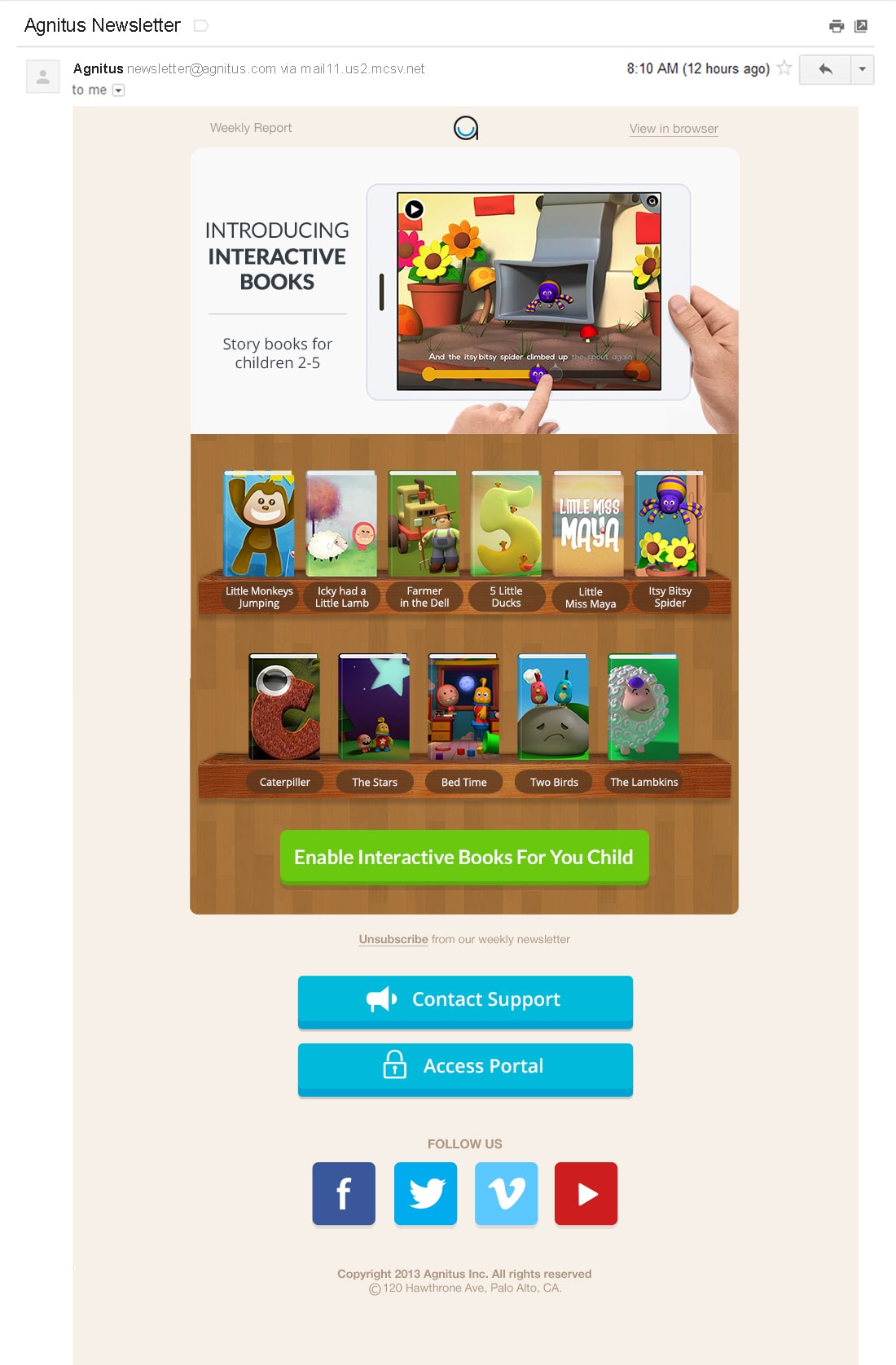
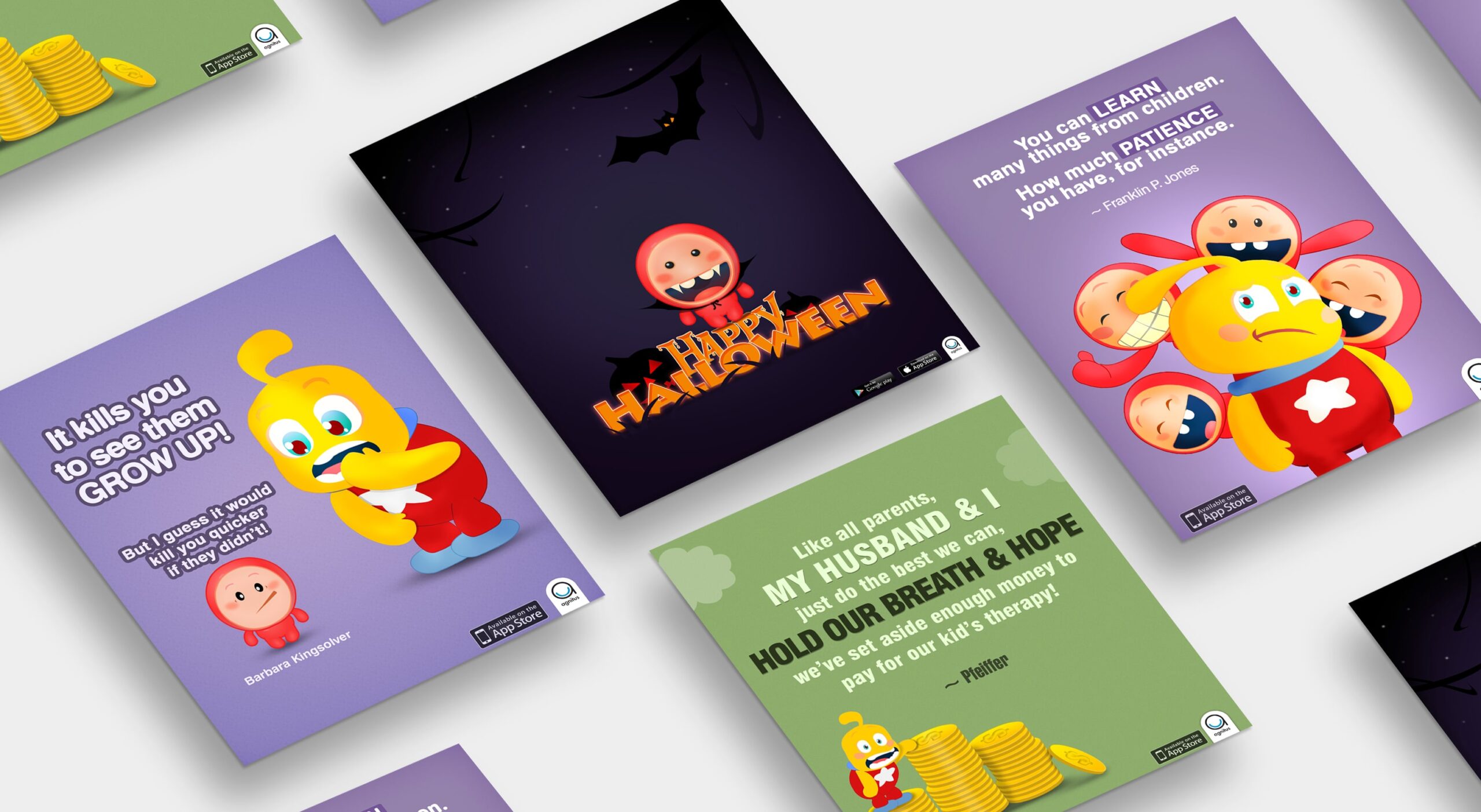
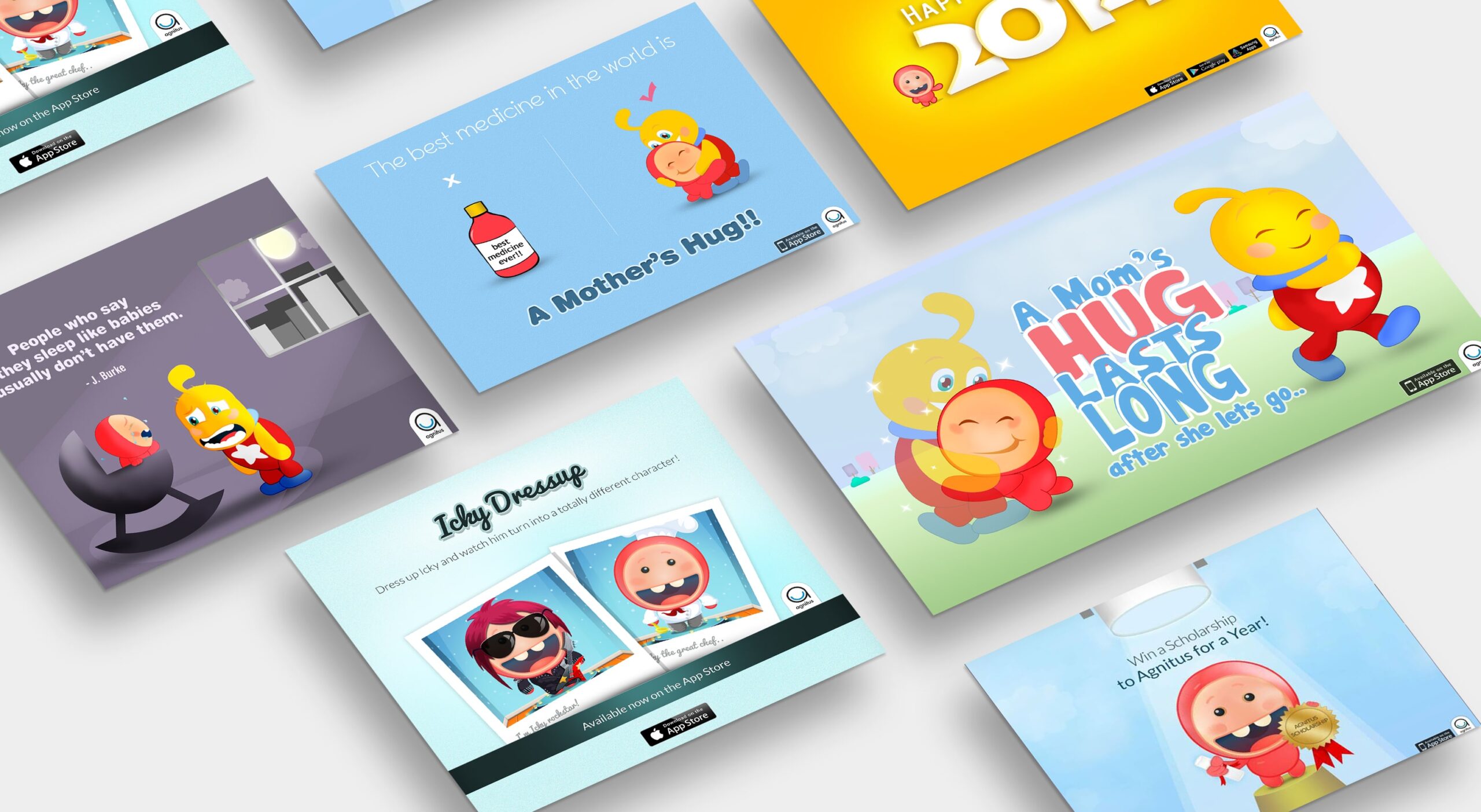
  • Designed marketing graphics, emails, and social media visuals

  • Created UI assets and iconography for the app’s learning games

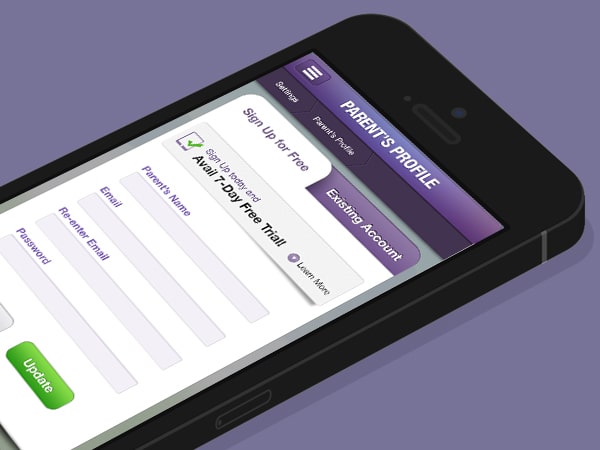
  • Designed and refined multiple in-app interfaces to improve usability and engagement

  • Collaborated with engineers to ensure smooth design implementation across devices

  • Conducted iterative testing to validate user flows and visual hierarchy

  • Ensured consistent brand language across all digital and print touchpoints


Gallery

Say Hello...